Know what you can bakebefore you open orders.
Makeable connects your recipes to the flour, butter, eggs and packaging on your shelf, so you see how many batches you can really make before your weekly drop goes live.
Start with one recipe. Free, no card required.
Built for owner-run bakeries and small food kitchens taking preorders, market orders and cafe wholesale.
Short by 10. Butter runs out first.
$4.38 material cost per cake, $65.70 for the 15 you can make now.
The gap
Most bakers know their numbers. Ten kilos of flour. Four kilos of butter. Sixty eggs. What a notebook hides is what happens when brioche, cookies and croissants all pull from the same butter. Saturday's preorders look fine on Monday, then on Thursday night you are at the supermarket paying retail prices.
A stock list tells you what you have. Makeable tells you what that allows you to bake, once you calculate your bill of materials and let it check itself against the shelf.
Pick a bake. Set a quantity. See what runs out first.
This is the real capacity engine running on sample bakery stock. Change the batch size and watch which ingredient becomes the limit.
units of chocolate chip cookies
What you need to fulfill this order
- +400 gButter
Today's production capacity
Today- Country sourdough28 units
- Brioche loaves20 units
- Chocolate chip cookies6 units
Saturday drop · 30 brioche loaves · needs 1 kg more butter
Bread flour · about 3 bakes left at this week's pace
What Makeable isn't
Not accounting. Not payroll. Not a factory ERP or a food safety system. Not another dashboard promising to run your whole bakery.
What it actually does
One job, done properly: tell you whether the ingredients and packaging on your shelf cover the orders in front of you, and exactly what to buy if they don't.
Take orders anywhere. Makeable checks the pantry.
Type in an Instagram or market order in seconds, paste a list, or connect Shopify, Square or WooCommerce if you have a shop. Every order is checked against the same stock.
 Shopify
 Square
 WooCommerce
Add an order your way
Manual entry, pasted lists and CSV are free. Shop connections are optional.
Match each listing to a recipe, once
Tell Makeable that "Sourdough, large" is your country loaf and it remembers.
Every order arrives already checked
You see straight away whether you can bake it, and exactly what you are short of.
Preorders by DM, Hotplate, market stall or paper pad? Type them in.
A connected shop is optional, not required. The capacity check runs on your materials, not on where the sale came from, so the answer is identical either way.
Add an order in about ten seconds: product, quantity, date. Makeable tells you straight away if the shelf covers it.
Plan the run backwards. Enter the mix you want to take and see what you can actually produce, and what to buy.
Paste a list or import a CSV. Manual and pasted order entry is on the free plan and stays free.
If you do sell on Shopify, Square or WooCommerce, connecting it just removes the typing. See the full workflow.
What bakers say.
Owner-run bakeries and small food kitchens using Makeable to answer one question faster: what can I bake this week?
Our Friday drop used to be guesswork. Brioche and cookies share the same butter, and I only noticed on Thursday night. Now I check capacity before the order form opens.
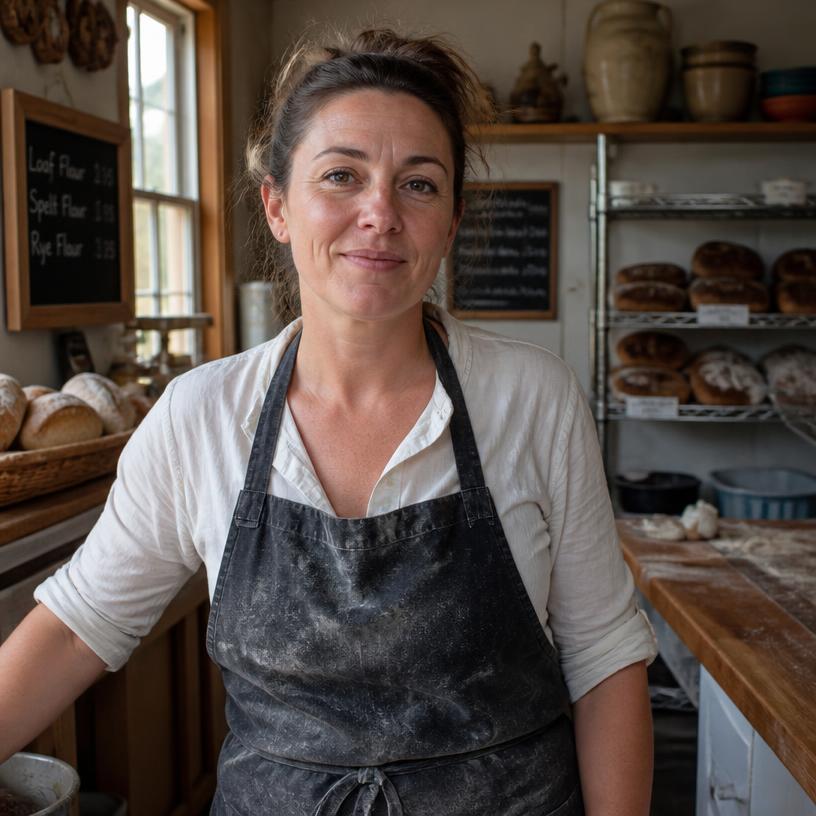
I capped Saturday at 40 loaves out of fear of running short on flour. Seeing the real number let me open more slots without the panic.

I put off setting it up because I dreaded the typing. One recipe and its ingredients took about ten minutes, and the next order check was instant.
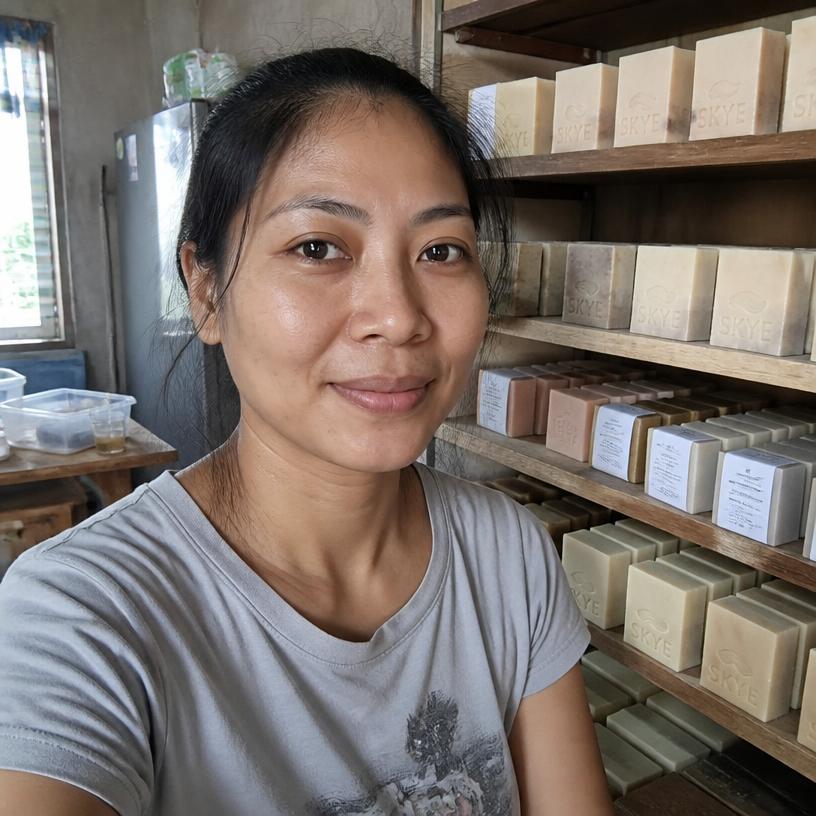
Cafe wholesale and weekend preorders pull from the same stock. Makeable tells me exactly how much more flour and butter to buy, not just that I'm short.
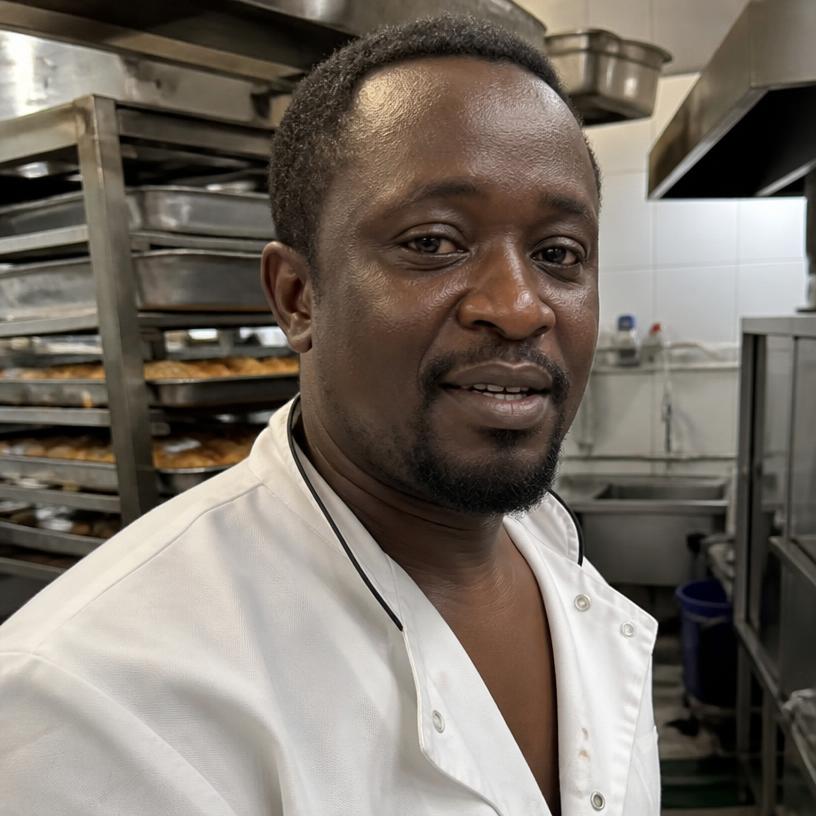
Straight answers for food makers.
What does Makeable do for a micro-bakery or food business?
Makeable connects your recipes to ingredient and packaging stock. It calculates material-based production capacity, identifies shortages, checks orders against available stock, and tracks unit cost and margin. Recording production deducts the materials used.
Can multiple recipes use the same ingredient stock?
Yes. Recipes reference your shared materials. In your account, open orders are checked in due-date order so the same available ingredients are not allocated twice. The public example below checks one product at a time and does not reserve stock.
Do I need Shopify or an online shop?
No. Enter orders manually, paste an order list, or import orders from CSV. Orders from Instagram, phone, markets and wholesale can be entered this way. Shopify, Square and WooCommerce connections are optional. Hotplate is not a native connection.
What is included in the free plan?
Maker includes 5 products, 30 materials, 15 open orders and 1 connected order app. Production runs with stock deduction, unit cost and margin, capacity checks, order feasibility and CSV or pasted order intake are included. No credit card is required to create a free account.
When would I need a paid plan?
Studio is $19 USD per month for unlimited products, materials, orders and connected order apps, plus inventory CSV import, charts, recipe versioning and low-stock alerts. Workshop is $49 USD per month and adds supplier purchase orders. Annual billing is available on the pricing page.
Does capacity include oven time, staffing or food traceability?
No. Capacity is based on the ingredient and packaging stock you record, not oven space, working hours or staffing. Makeable is not a food traceability or compliance system. Keep those checks in your existing workflow.
Guides and industry pages
Know what you can bake.
Add one recipe and the ingredients it uses. See your real batch capacity in a couple of minutes.